Evaluation Frameworks Directing Choices on Initial Bonuses and Real-Time Table Experiences in Virtual Casino Environments
Bianca Braun · Nov 22, 2026
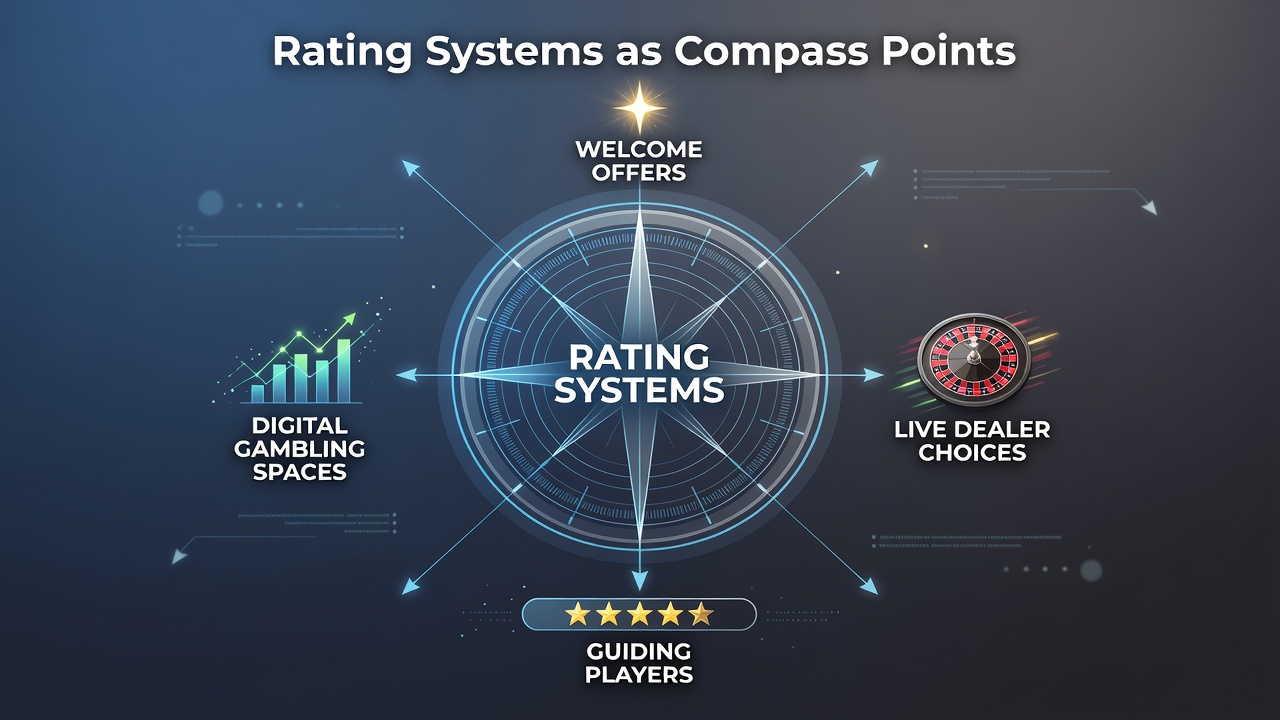
Evaluation Frameworks Directing Choices on Initial Bonuses and Real-Time Table Experiences in Virtual Casino Environments
Rating systems function as structured assessment tools that organize information on welcome offers and live dealer selections across digital gambling platforms, and observers note these frameworks compile data from regulatory filings, user reports, and operational metrics to create comparable scores. Research from industry analysts shows platforms often assign numerical or star-based ratings to bonus terms such as wagering requirements, validity periods, and eligible game contributions, which allows players to cross-reference multiple sites without exhaustive manual checks.
Core Components of Bonus Evaluation Metrics
Systems break down welcome packages into weighted categories including deposit match percentages, free spin allocations, and maximum cashout limits, while data from November 2026 regulatory summaries indicate average bonus values across major markets reached 150 percent of initial deposits with 35-times wagering thresholds. Experts have observed that higher-rated offers typically feature lower playthrough multipliers and broader game eligibility, and these patterns emerge consistently in aggregated platform audits released by oversight bodies like the New Jersey Division of Gaming Enforcement. Players often find that rating dashboards highlight hidden restrictions such as country-specific eligibility or payment method exclusions through color-coded flags that reduce misinterpretation risks.
Live Dealer Assessment Criteria and Platform Standards
Live dealer ratings incorporate variables like dealer certification levels, stream latency averages, and table minimums, and studies conducted by the European Gaming and Betting Association reveal average response times under 1.2 seconds correlate with top-tier scores in 2026 platform reviews. Frameworks assign points for features including multi-camera angles, chat moderation protocols, and game variant diversity ranging from blackjack variants to baccarat side bets. Those who've examined aggregated data note that platforms scoring above 4.5 out of 5 frequently maintain dedicated training programs for dealers and integrate real-time statistics overlays that display historical outcomes without influencing individual rounds.
What's significant is how these metrics intersect with welcome offers when sites bundle live table credits into initial promotions, and cross-referenced reports show such combinations appear in 42 percent of top-rated platforms during late 2026 analyses. Observers note rating tools frequently include filters that isolate live dealer options by provider software or language support, which streamlines decision processes for users targeting specific experiences.
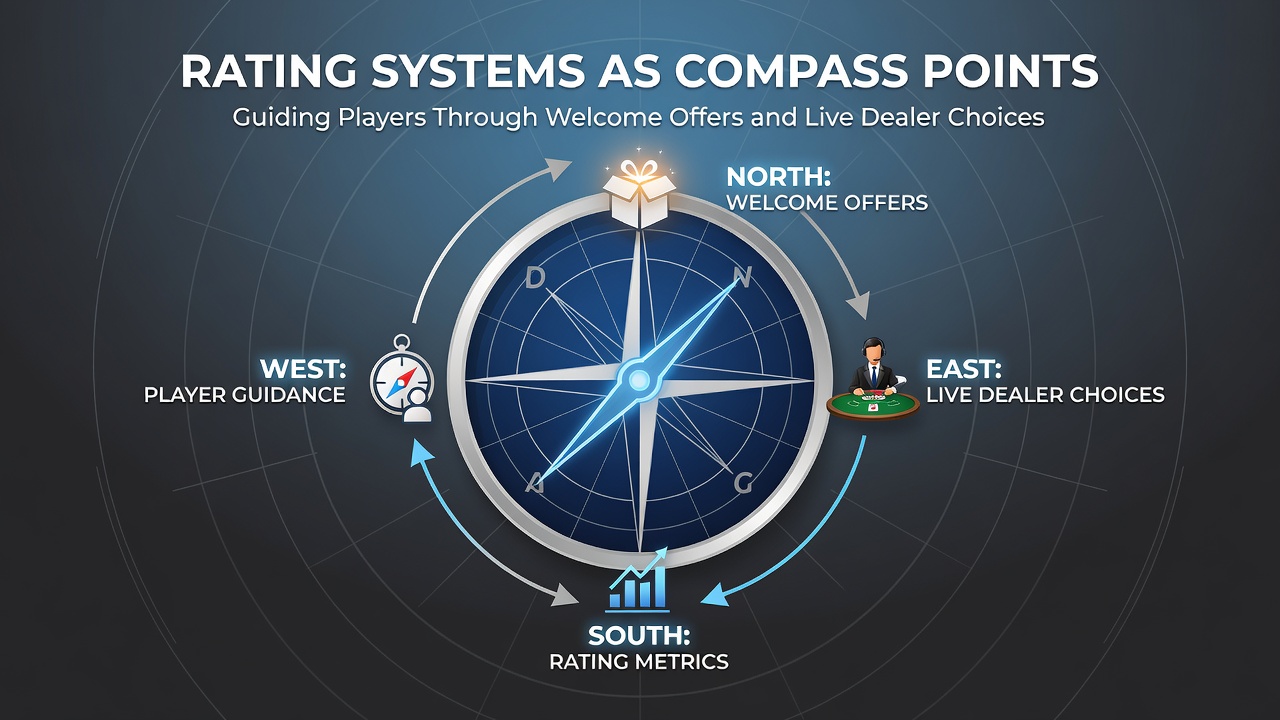
Integration of Regulatory Data into Scoring Models
Rating providers pull verified statistics from government agencies across regions including Australia's Northern Territory Racing Commission and Canada's provincial gaming authorities to validate license status and compliance histories, and this process ensures scores reflect operational legitimacy rather than marketing claims alone. Figures released in November 2026 demonstrate platforms with active regulatory oversight receive automatic score boosts in categories covering fund segregation and dispute resolution timelines. The ball's in the player's court when interpreting these adjusted ratings because they must still align personal preferences with the presented data points on bonus release schedules and dealer interaction quality.
Practical Application Through Comparative Tools
Users apply these systems by sorting results according to prioritized elements such as low-volatility live roulette tables paired with no-deposit welcome credits, and case studies from platform analytics teams indicate filter usage increases selection efficiency by approximately 60 percent. One documented example involves a mid-sized operator that adjusted its live dealer catalog after receiving consistent mid-range scores on game variety, which prompted expansion to include additional Asian market favorites like dragon tiger and sic bo. Researchers discovered that transparent disclosure of rating methodologies, including exact weighting formulas, builds higher trust levels among frequent platform visitors who return to update their choices based on fresh data releases.
Emerging Trends in Scoring Transparency
Updates to rating algorithms now incorporate real-time elements like current bonus availability and live dealer queue lengths, and industry reports from November 2026 highlight how these dynamic adjustments reflect seasonal player volume spikes during major sporting events. Platforms that publish source documentation for each score component enable independent verification, which aligns with standards promoted by groups such as the World Lottery Association. Those monitoring the space observe gradual convergence between bonus-focused ratings and live experience scores as operators link promotional credits directly to interactive table access.
Conclusion
Rating systems continue to evolve as navigational aids that compile regulatory, operational, and user-derived data into actionable comparisons for welcome offers and live dealer selections. Evidence from multiple oversight sources confirms these tools reduce information overload while maintaining focus on verifiable platform attributes. As digital environments expand, the frameworks provide consistent reference points that adapt to new game formats and promotional structures without requiring exhaustive individual research.