Machine Learning Algorithms Enhance Bonus Matching and Live Table Access in Mobile Gambling Platforms
Tina Keller · Nov 22, 2026
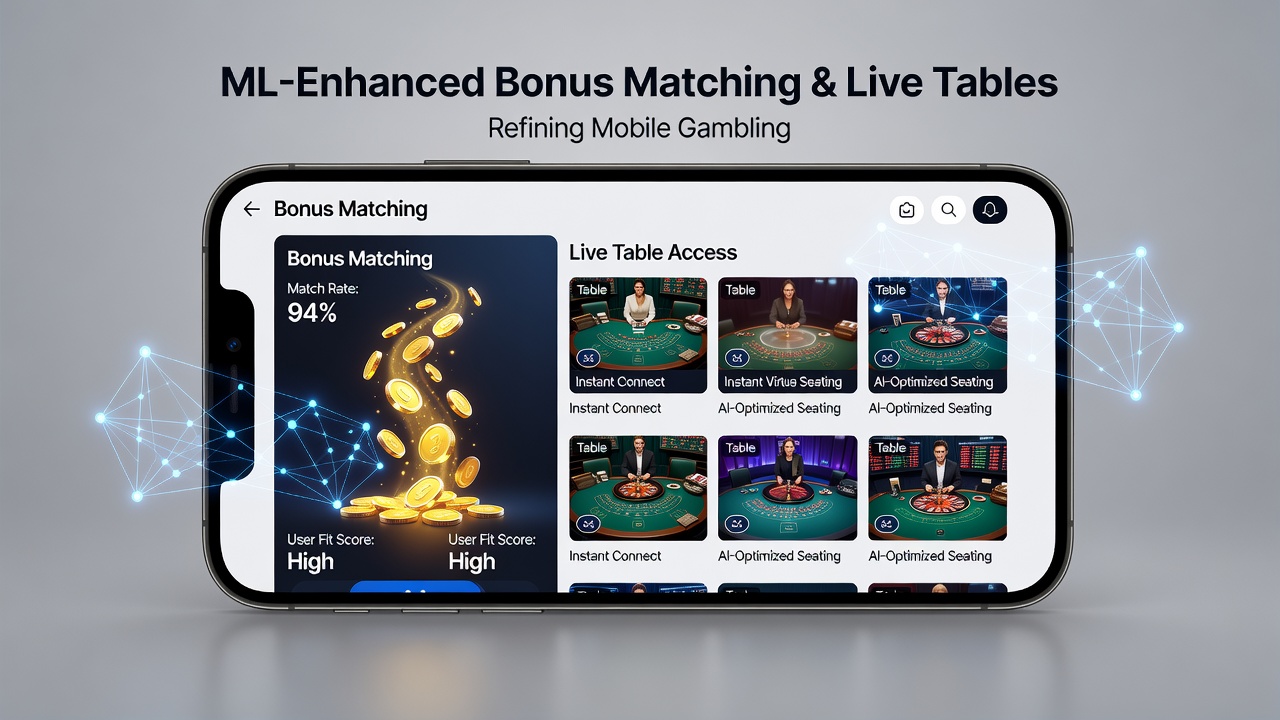
Machine Learning Algorithms Enhance Bonus Matching and Live Table Access in Mobile Gambling Platforms
Operators across the mobile gambling sector have integrated machine learning models to adjust bonus structures and streamline entry into live dealer tables, with these systems processing player data in real time to match incentives and table availability. Research from the University of Nevada Reno shows that algorithms analyze deposit patterns, session duration, and game preferences to generate tailored bonus offers that align with individual wagering histories, reducing mismatches that previously led to unused promotions.
These models draw on datasets collected through mobile apps, where variables such as time of day, device type, and prior bonus redemptions feed into predictive frameworks. Data indicates that operators using these techniques recorded higher bonus utilization rates during the first half of 2026, particularly in markets regulated by bodies like the New Jersey Division of Gaming Enforcement and the Australian Communications and Media Authority.
Refining Bonus Matching Through Predictive Models
Machine learning systems evaluate thousands of player interactions each minute to determine optimal bonus values, types, and eligibility windows. Instead of static percentage matches, algorithms now calculate dynamic offers that adjust based on recent activity, so a player who favors high-volatility slots might receive a different incentive than one who prefers table games. Reports from the Canadian Gaming Association highlight that such personalization has coincided with increased player retention metrics across several provincial platforms.
One study released in late 2025 demonstrated how clustering techniques group users by behavioral signatures, allowing platforms to deliver bonuses that fit spending trajectories without exceeding regulatory caps. This approach relies on supervised learning trained on historical redemption data, which helps forecast which offers will convert versus those that sit idle in accounts.
Live Table Access Optimization
Access to live dealer tables on mobile interfaces has also shifted under machine learning influence. Algorithms monitor table occupancy, dealer rotation schedules, and player wait times to suggest entry points that minimize delays. Players receive notifications when a preferred game variant opens at a stake level matching their profile, and these suggestions update continuously as conditions change on the server side.
During November 2026, several major operators reported expanded use of reinforcement learning models that balance table distribution across time zones, ensuring that peak hours in one region do not overload servers serving another. These systems factor in connection quality and device performance to route users toward tables where latency remains low, a development tracked in technical papers presented at the International Association of Gaming Regulators conference that year.
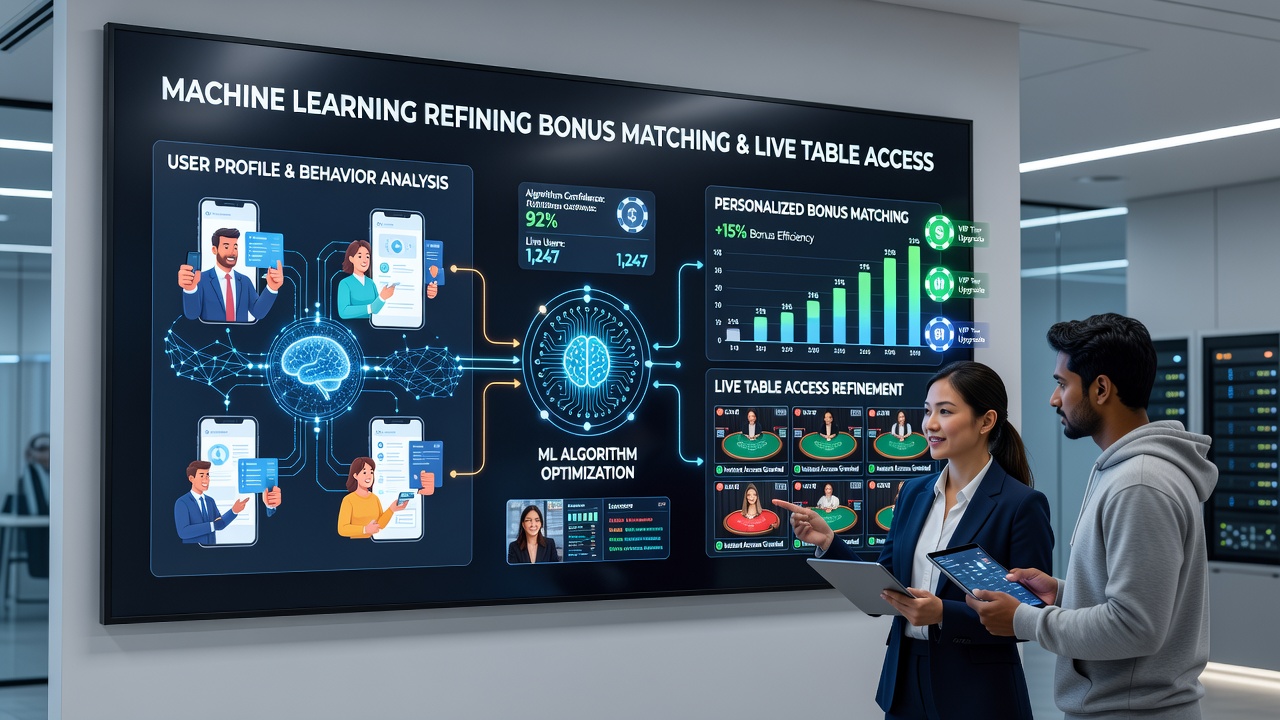
Integration between bonus systems and live table access has produced combined workflows where a matched bonus can unlock priority seating at specific tables. The models cross-reference promotion terms with table availability so that eligible players move directly from deposit to game without additional navigation steps. Observers note that this linkage appears most frequently in apps operating under frameworks established by the Malta Gaming Authority and the Singaporean Remote Gambling Act.
Data Processing and Security Considerations
Behind these refinements sit large-scale data pipelines that anonymize player information before feeding it into training sets. Unsupervised learning identifies anomalies that might indicate bonus abuse or unauthorized table access attempts, triggering automated reviews. Figures released by the European Gaming and Betting Association show a measurable drop in such incidents among operators that adopted these monitoring layers by mid-2026.
Training data includes anonymized location signals, bet sizing sequences, and chat interactions within live tables, all processed under encryption protocols that meet standards set by multiple jurisdictions. The resulting models improve accuracy over time as new sessions supply additional examples, creating feedback loops that refine both bonus calibration and table routing simultaneously.
Conclusion
Machine learning applications continue to shape how mobile gambling platforms handle bonus distribution and live table entry, with systems adapting to usage patterns recorded across diverse regulatory environments. Continued collection of performance metrics through 2026 and beyond will determine the extent of further adjustments in these areas, as operators balance technological capability with compliance requirements from bodies such as the Nevada Gaming Control Board and the New Zealand Department of Internal Affairs.